Training
Building better horses,
one step at a time.
Good training isn't about making a horse do more.
It's about helping them understand what we're asking, develop confidence in their work and build the strength, balance and coordination to carry themselves well.
At SuJoHorses, training is about creating a partnership between horse and rider — one built on communication, consistency and trust.
Good foundations create confidence.
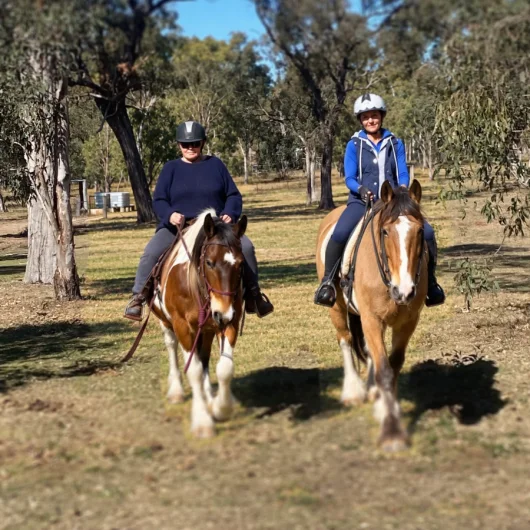
Training with purpose
Every horse is different.
Age, experience, temperament, conformation, previous training and physical condition all influence how a horse should be trained.
Our approach is to work with the horse in front of us rather than trying to fit every horse into the same program.
Training may include:
- Groundwork and communication
- Building confidence and focus
- Improving balance and coordination
- Developing softness and suppleness
- Improving responsiveness to the rider
- Strength and conditioning
- Improving transitions and rhythm
- Introducing new skills and experiences
- Addressing unwanted or difficult behaviours
- Preparing horses for their intended discipline
- Helping horses return to work after a break
The foundation comes first
Before asking a horse to perform, we need to make sure they understand what we're asking.
Good foundations create confidence.
Clear communication, consistent boundaries and appropriately progressive training allow a horse to develop without being overwhelmed.
We want the horse to understand the question — not simply learn to tolerate it.
Training for the individual horse
Some horses need confidence. Some need better balance. Some need to slow down and think. Others need to develop strength, coordination or a better understanding of the aids.
Training isn't about forcing a particular outcome. It's about identifying what the horse needs and developing those areas progressively.
A better way of going
The goal isn't simply a horse that responds.
It's a horse that understands, trusts and wants to participate. A horse that is physically capable of doing the work. A horse that is mentally confident enough to do it. And a rider who understands how to help them.
Training and physical wellbeing
Training and physical health are closely connected.
Changes in behaviour, reluctance, resistance or performance can sometimes indicate discomfort rather than a training problem.
That's why we believe in looking at the whole horse and working alongside other professionals when required.
Dental health, hoof care, saddle fit, veterinary care, bodywork, nutrition, conditioning and training all have a role to play in helping a horse perform comfortably.
Better movement. Better performance. Better horses.
Ready to talk about your horse's training?
Get in touch